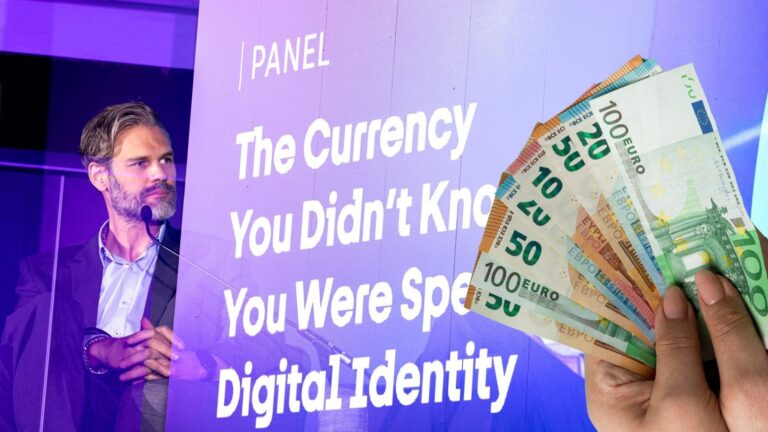
Today we live in a world of small, scattered transactions. We pay for parking, daily roaming, extra gigabytes, insurance for a few days, a streaming service we watch for only a month or two. People jump from one service to another, turn subscriptions on and off, try things out and then quit. Digital services are increasing, and each comes with its own rules.
This is how Iva Babić, Head of Product Marketing and Business Development at A1 Hrvatska, describes our world, and underscores one of the main challenges for end-users. The problem, she believes, is not in the payment itself, but in the friction that accompanies every transaction. New registration, card entry, confirmation, switching between applications, extra steps for something that lasts one day or one hour, she continues, is a process that often takes longer than the need itself.

Today’s users want simplicity and an overview. They want one place where they can see what they are using, what they are paying for, and where they can activate or cancel it in a second—without additional registrations and without thinking about how they will pay for something.
This is a logical step in market evolution, says Samo Kumar, Director of Bankart, where users want an instant, secure, and simple experience within the application they are already using. Payment, identity, or credit become part of the user flow, not a separate event.
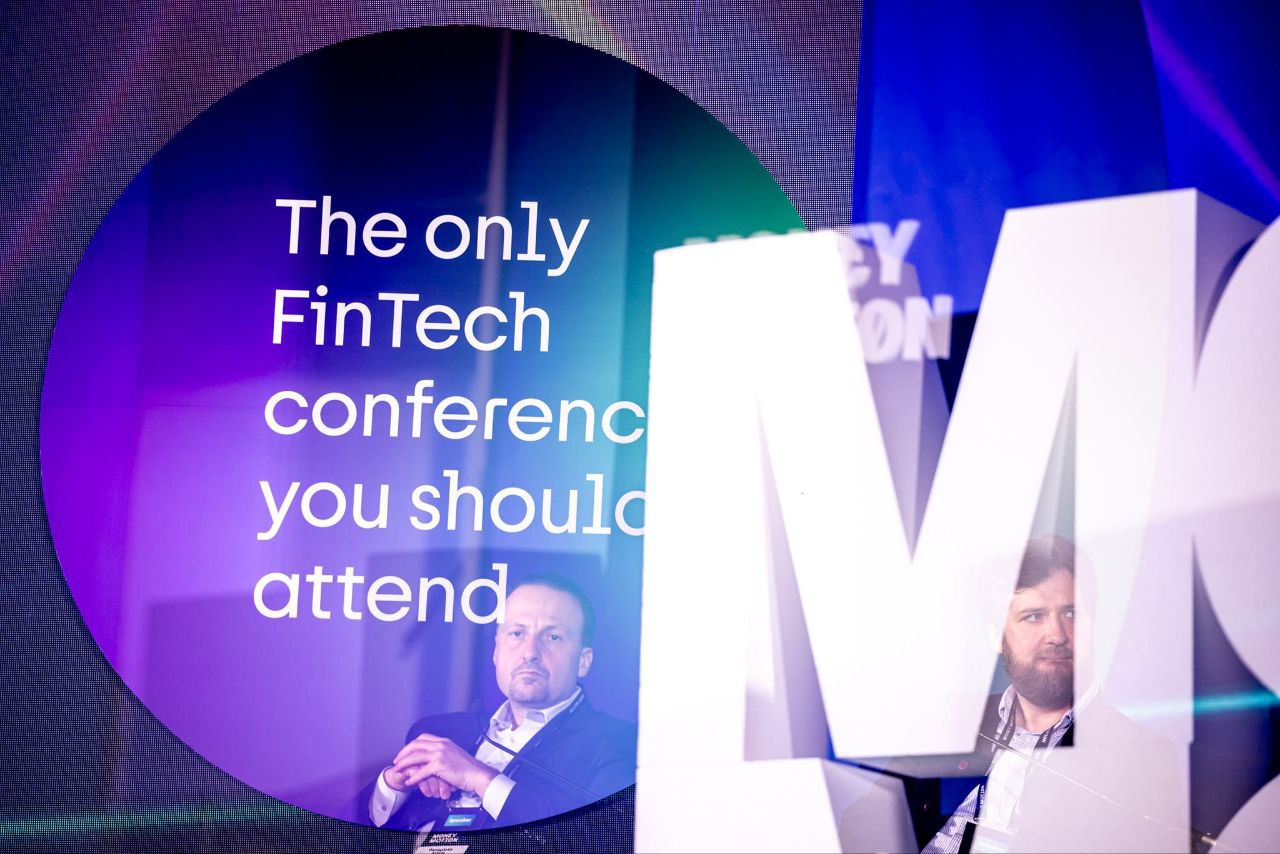
How to achieve the synchronization of technology and the entire market for the purpose of almost invisible financial processes is one of the main topics of the fourth edition of the Money Motion conference, which will be held on March 11 and 12 at the Zagreb Fair, with the support of leading financial and technological brands – Mastercard, ASEE, Monri, Croatia osiguranje, LAQO, A1 Hrvatska, Robotiq.ai, Electrocoin, Bankart, Nexi, HPB, Smartis. Find the conference program on five stages and the list of all speakers on the official conference website, and tickets on the Entrio platform.
What is the boundary with financial services?
It is precisely in creating, and then strengthening, the friction-free experience that A1 Hrvatska sees its role. To build further on the back of an already strong subscription model—a layer of additional, contextual services that can be activated at the moment of need. Without new cards, without new applications, without interrupting the experience.
“The boundary with financial services is clear to us. We are not becoming a bank, nor are we managing users’ money. The financial part remains in the domain of regulated partners, while our role is to simplify the experience and remove friction.”
Over the last decade, we have already witnessed how invisible payment has become on Big Tech platforms. But invisible UX, Kumar believes, is not the same as invisible responsibility. Payments and settlement are not just an API integration. It is a system that carries regulatory, operational, and reputational risk. Therefore, responsibility must be clearly defined.
How to ensure a secure experience?
The bank remains the owner of regulatory responsibility and risk management. The processor must guarantee the scalability, security, and interoperability of the infrastructure, Kumar explains, whether it is card or instant rails. The platform and the merchant own the user experience and transparency towards the end-user. A model in which one party controls the user relationship and others assume systemic risk, he warns, is not sustainable in the long term.
“At Bankart, we believe that the future belongs to orchestrated ecosystems—where finance may be invisible to the user, but the responsibility, stability, and strategic control of the infrastructure are very clearly defined. It is precisely this balance between innovation, resilience, and sovereignty that decides who can scale in the long term.”
This becomes especially important with the implementation of now-standard authentication systems—biometrics, voice interactions, or contextual signals such as license plate recognition without the conscious participation of the user, warns Željka Perok, Head of 3DS, Fraud – Risk Management Services at Nexi Group, giving the example of cashier-less stores.
“In this environment, long-term value is created above the transaction layer. The ability to deliver integrated, personalized, and secure experiences that reflect local realities is important. Europe is very diverse in terms of regulation, culture, infrastructure, and user behavior. A generic, one-size-fits-all offer would perform sub-optimally. Nuance, proximity, and local expertise are essential for achieving relevance and resilience.”
What does this mean technically?
To support this, Nexi combines embedded payments with vertical-specific solutions and behavioral intelligence powered by artificial intelligence. This enables them to detect evolving fraud patterns across different payment channels, eliminate the blind spot between channels, and improve approval rates while maintaining low friction for legitimate users. These capabilities reflect a broader role than simply enabling multiple channels; they represent comprehensive intelligence, security, and innovation at the experience layer, built on a deep understanding of the market.
That is where the real value goes, says Robert Mihaljek, RVP at Backbase. Not into a single product, but into the ability to connect cards, accounts, wallets, and data into one experience. Open banking was the launch pad, he notes. Orchestration is what follows.
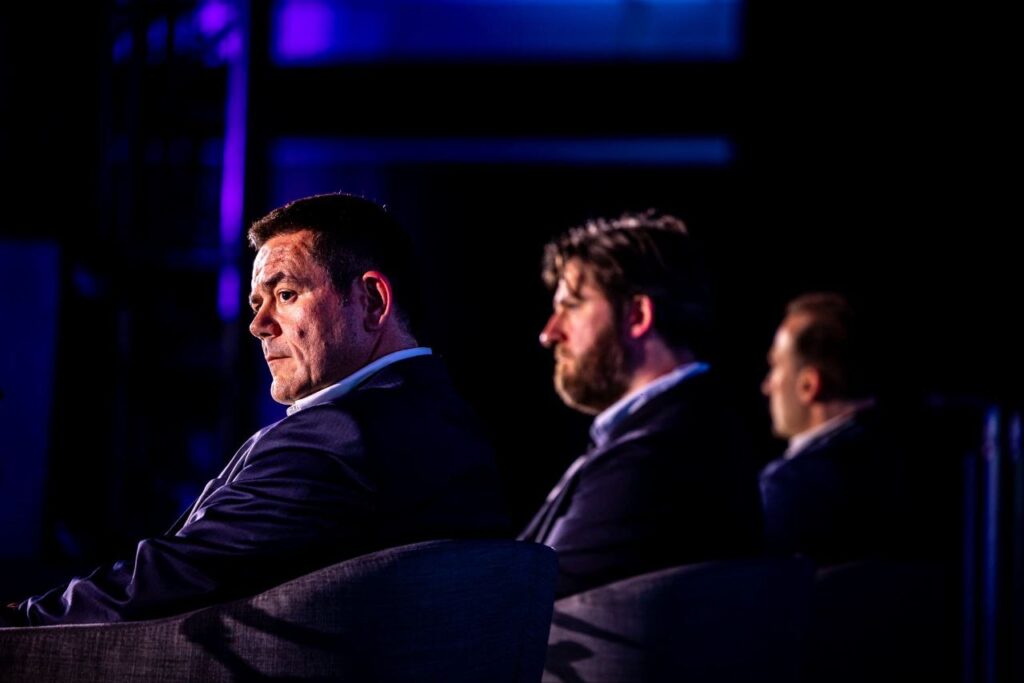
“AI is what allows this to work on a large scale. But it must stand on top of organized data, unified systems, and processes that have actually been redesigned. And not patched onto what is already there. Banks that do this correctly are already meeting clients where they are, within the platforms and services they use every day. This is the opportunity. Be invisible where you need to be. Be essential everywhere.”
What is the role of banks in such a system?
And this is precisely how Raiffeisen Bank stands out. Although I don’t see it, it is present everywhere. The fact that you no longer see so many ATMs when walking through the city or that the public’s experience of visiting a branch is vague, describes Liana Keserić, CEO of Raiffeisen Bank, are not signs that banks are less visible—quite the opposite. Through digital transformation, we have focused on products and services that make everyday life easier for users and that are in line with today’s fast-paced tempo.
“If we compare going to branches with arms full of papers and waiting in lines with the possibilities of, for example, the MojaRBA application that users always carry in their pockets, I would say that we are significantly more visible than ten years ago. In this same fast-paced present, it is thankless to make any long-term forecasts—the digitalization of business has taught us to always be ready for continuous and rapid technological changes.
What is our strength is that we are capable of keeping up with the times and that innovations are not threats, but opportunities to improve the experience of our users.”
What the future of banks looks like and which technologies will play the main role in it will be discussed by the CEOs of leading Croatian banks on the main stage of Money Motion—Balázs Békeffy (OTP Banka), Christoph Schoefboeck (Erste Banka), Marko Badurina (Hrvatska Poštanska Banka), and Liana Keserić (Raiffeisen Banka); and the Governor of the Croatian National Bank, Boris Vujčić, will also share his predictions.
All guests of the Money Motion conference have access to the official application developed in cooperation with GoodToGo, which allows them easy viewing of the entire program, selection of points for personalizing the visit, and arranging meetings and communication with other visitors and speakers. Both days of the conference will end on a dancing note with the support of party sponsor Hard Yaka.